
Today, 80% of the processing and analysis of data takes place in data centres and centralized computing facilities, and 20% in smart connected objects. This ratio is expected to reverse over the next five years, inevitably leading to a paradigm shift in where data is processed. Edge computing refers to processing which takes place closer to or even within an internet-of-things (IoT) device itself, that is at the ‘edge’ or periphery of the network.
At the European Commission’s 2021 Fireside Chat on Next Generation IoT and Edge Computing, experts agreed that ‘edge computing is the logical evolution of the cloud computing model, avoiding the transfer of mission-critical data in the cloud, supporting resilience, real-time operations, security, and privacy protection while at the same time reducing energy consumption and carbon footprint’. It is expected that in the middle of this decade most of the data processing and analytics will take place where they are the most efficient, which is generally close to where the data is generated: at the edge of the network.
European companies have strong expertise and market shares in industrial and business applications, industrial IoT and 5G across many sectors, including mobility, energy, the home, agriculture, manufacturing, logistics, etc. By capitalizing on these unique, largely sectoral competences and by driving leadership in the field of edge computing and the IoT, Europe has a one-time opportunity to regain a significant role in the computing market by 2025 and, by doing so, make further progress towards digital autonomy. Leveraging a local, distributed computing infrastructure, this move to the edge and the IoT facilitates the creation of new services and business models rooted in verticals around the applications, rather than today’s more general-purpose cloud business models.
This shift towards edge computing will lead to strong changes in the computing landscape and innovative use scenarios across our economy:
- High performance at the edge and in devices: Reinforcing current trends, high-performance processing will not stay in large centres but will become a commodity at the edge and in the IoT. A good example comes from the mobility sector, which is increasingly electric, connected, autonomous and servitized. With the share of electronics in the total cost of a car rising, terms like ‘software-defined vehicle’ or ‘smartphone on wheels’ are emerging to define next-generation intelligent vehicles. At the core of such new vehicles will be a few central computer systems powered by high-performance chips rather than the 50 or more electronic control units – each with their own software and hardware – we see today.
- Strong computing capacity at device level in the emerging smart IoT will enable new concepts of decentralized intelligence and swarm computing. Whereas in the past we programmed each device in the IoT individually, in future, artificial intelligence (AI) enabled software engineering tools will support a functional approach or holistic orchestration of swarms of homogeneous or even heterogeneous devices. Such concepts have a high potential for example in the energy sector, powering the next generation of smart grids by optimizing locally renewable energy supply and demand by households, buildings and electric vehicle charging.
- AI-based cognitive cloud frameworks will integrate diverse computing and data environments seamlessly and securely across the computing continuum, spanning from HPC to core cloud to edge to device level. They will support automatic management of the computing continuum and cater for dynamic load balancing and optimized energy efficiency of computing resources and data traffic.
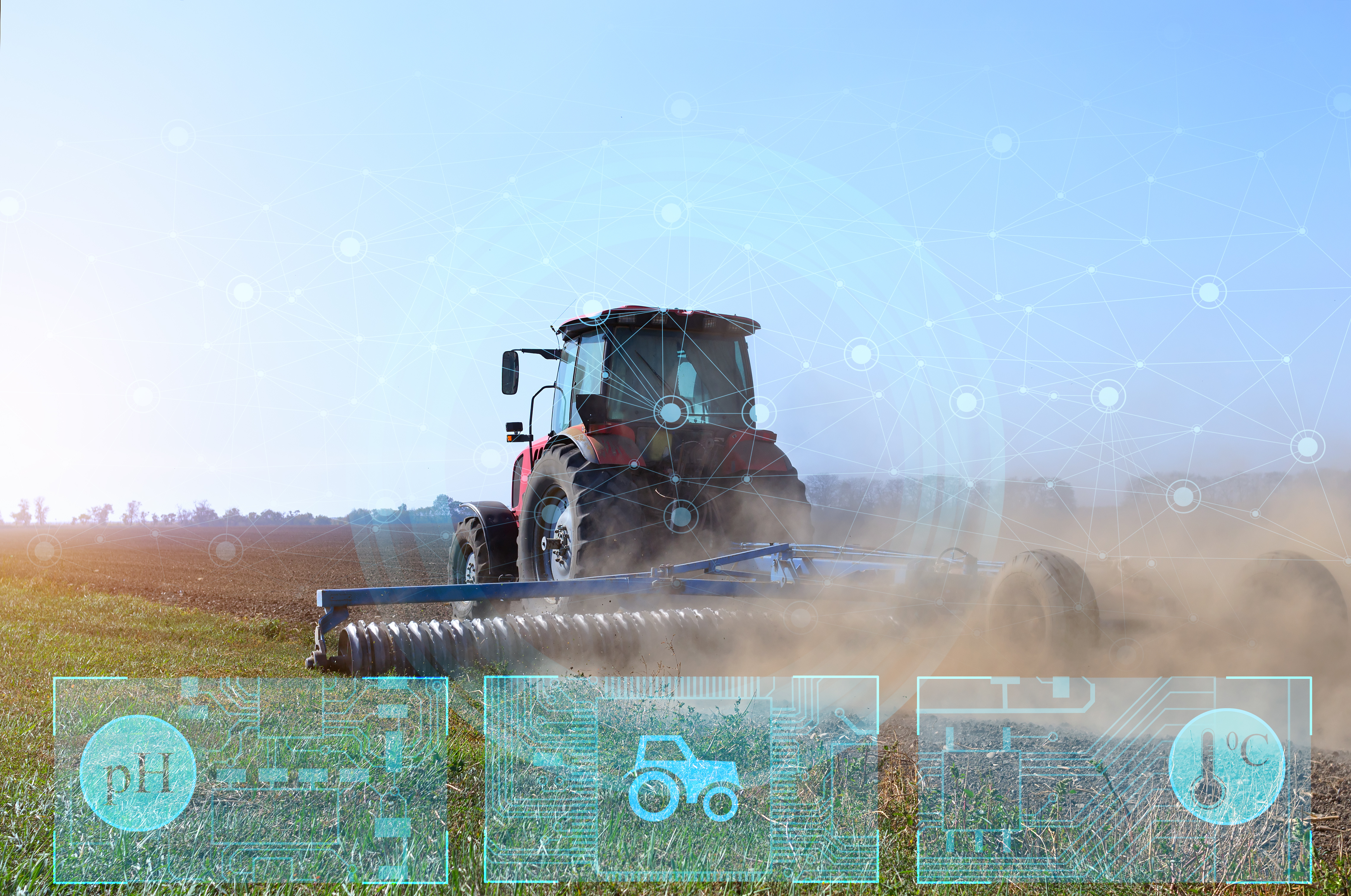
An interesting use case in the agricultural sector is high-precision farming, where real-time optimization of the dosage of water, fertilizer, or pesticides is done locally in the tractor and farming equipment. Edge computing capacities at co-operative level provide analysis of local data from field sensors and machinery from neighbouring farms, while higher-level services offered by diverse platforms in the agricultural sector are mostly cloud-based.
EU-level support
The European Union (EU) is supporting the evolution of computing with actions along several lines:Chips Act
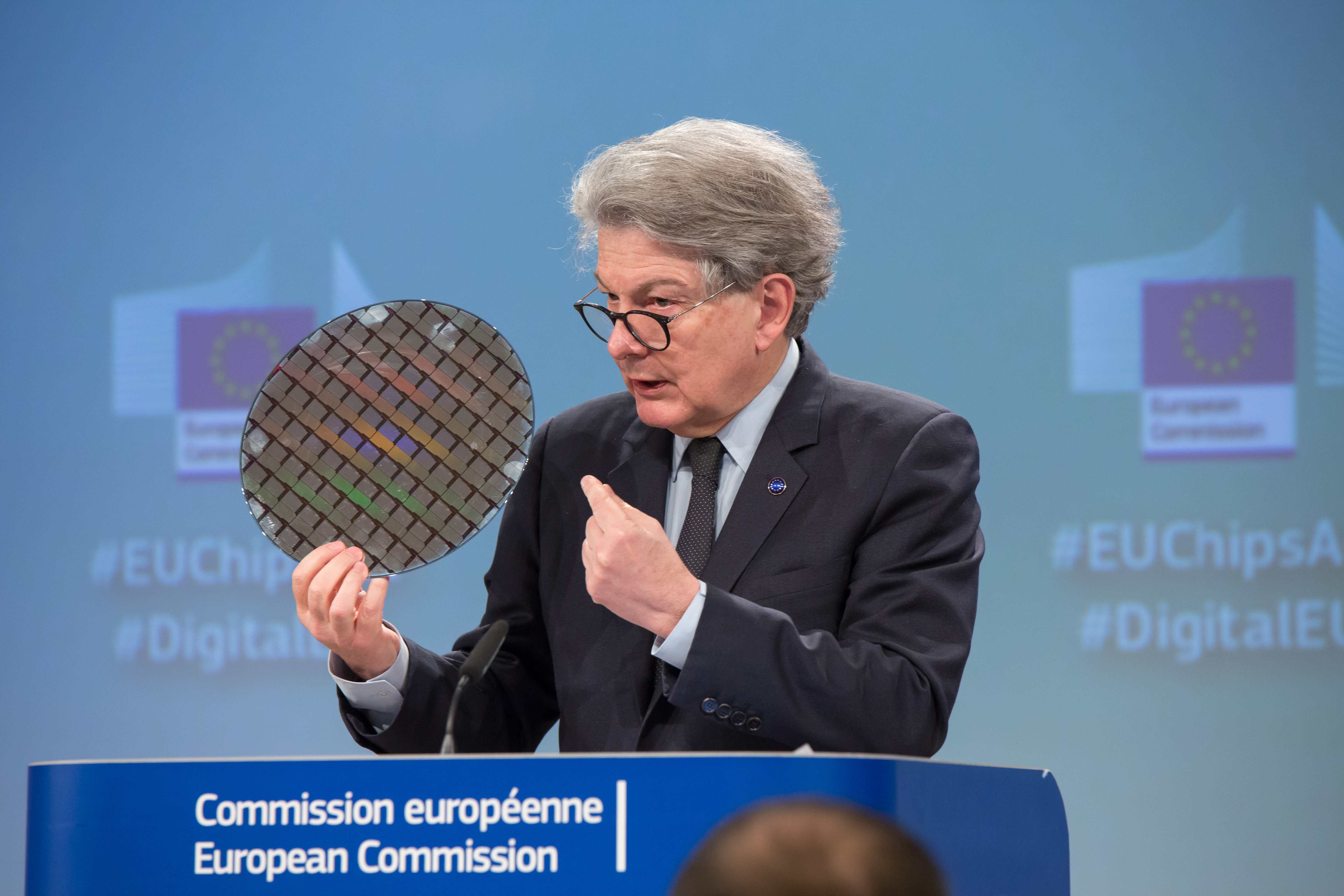
In February 2022, the European Commission proposed a comprehensive set of measures to ensure the EU’s security of supply, resilience and technological leadership in semiconductor technologies and applications. The EU Chips Act will build on Europe’s strengths: world-leading research and technology organizations and networks as well as host of pioneering equipment manufacturers.
As the first of its three pillars, the ‘Chips for Europe Initiative’ will pool resources from the EU, Member States and third countries associated with existing EU programmes, as well as the private sector, through the enhanced ‘Chips Joint Undertaking’ resulting from the strategic reorientation of the existing Key Digital Technologies Joint Undertaking. Support is envisaged for:
- strengthening existing research, development and innovation
- ensuring the deployment of advanced semiconductor tools
- pilot lines for prototyping
- testing and experimentation of new devices for innovative real-life applications
A major target of the European Chips Act is the next generation of computing chips, including quantum computing.
Data legislation
With computing power moving closer to where the data is, data legislation has strong influence on the rules across the computing continuum. The European Commission is putting forward the legislative framework for a prospering data economy. For example, the Data Act, which was proposed by the European Commission to Council and Parliament in March 2022, will make more data available for use and will set up rules on who can use and access what data for which purposes across all economic sectors in the EU.
Data and cloud strategy
The European strategy for data aims at creating a single market for data that will ensure Europe’s global competitiveness and data sovereignty. Common European data spaces will ensure that more data becomes available for use in the economy and in society, while keeping the companies and individuals who generate the data in control. The Commission also aims to enable access to secure, sustainable, and interoperable cloud infrastructures and services for European businesses. Through the DIGITAL programme it is co-investing in European dataspaces for sectors like mobility, manufacturing, energy, agriculture, health; and in cloud-to-edge services, cloud federation, and marketplaces.
Research and Innovation Programmes
In Horizon Europe, Europe is supporting research and innovation on computing technologies ‘at large’. Major initiatives include:
- Under Cluster 4 (‘Digital, Industry, Space’) more than a quarter of a billion euro is planned to be spent between 2021 and 2024 on a targeted research and innovation initiative on ‘Cloud-Edge-IoT for European Data’. The initiative has started successfully with first research projects being launched on the next generation of meta-operating systems for the edge and IoT, environments for decentralized intelligence at the edge, and cognitive cloud frameworks.
- In the Joint Undertaking on ‘Key Digital Technologies’ (KDT), the Strategic Research and Innovation Agenda for Electronics Components and Systems (pdf link) dedicates a chapter to ‘Edge Computing and embedded Artificial Intelligence’, which identified the following major challenges: • improving the energy efficiency of computing systems • managing the increasing complexity of systems • supporting longer lifespans of devices and systems • ensuring European sustainability Calls in KDT are normally conducted once a year based on joint funding from the EU, participating states, and industry.
- The European High Performance Computing Joint Undertaking (EuroHPC JU) is a joint initiative between the EU, European countries, and private partners to develop a world-class supercomputing ecosystem in Europe. It aims at reaching exascale capabilities in Europe in the next two years.
Among other things, it supports the development and uptake of innovative and competitive supercomputing technologies and applications based on a supply chain that will reduce Europe’s dependency on foreign computing technology. Specific emphasis will be given to greener and more energy-efficient HPC technologies. Synergies with broader technology sectors and markets, such as autonomous vehicles, extreme-scale, big data, and applications based on edge computing or artificial intelligence are encouraged.
- In many areas across the DIGITAL and Horizon Europe programmes, applications capitalizing on advances in computing are supported. These include applications in the manufacturing and energy-intensive industries sectors (Cluster 4), in the mobility and energy sectors (cluster 5), and in the agriculture and food sector (Cluster 6).
In developing the research programmes, the European Commission draws upon resources like the HiPEAC Vision, which provides an excellent complement to the strategic research agendas of European industrial associations. It is therefore heartening to see the return of the in-person HiPEAC conference, the most important European networking event for the academic and industrial research and innovation community in computing systems.